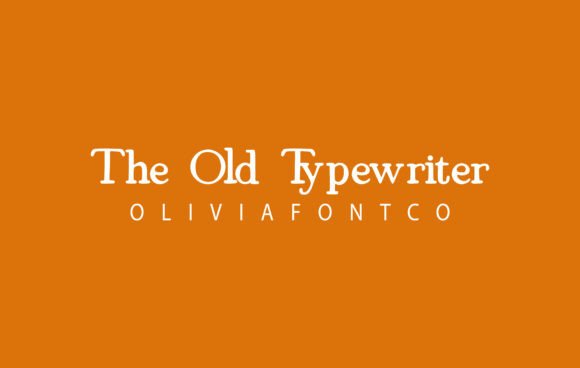
The Old Typewriter Font
The Old Typewriter font is a unique handwritten typeface that brings a romantic and vintage feel to digital design. As a serif font, it offers a classic aesthetic that can enhance the visual appeal of web projects while maintaining readability across various platforms.
Designed with authenticity in mind, The Old Typewriter font captures the essence of traditional typewriters, making it ideal for creative websites, branding materials, and editorial content. Its distinct character adds personality to any digital layout without sacrificing clarity.
Using The Old Typewriter in Web Design
Web designers often seek fonts that can elevate the tone of a site while supporting usability. The Old Typewriter fits this need perfectly. It works well in headers, hero sections, and call-to-action areas where a strong visual impact is essential. Its handwritten style makes it stand out, helping to create a memorable brand impression.
For landing pages, The Old Typewriter can be used to highlight key messages or product titles. When paired with a clean sans serif font for body text, it creates a balanced look that improves readability and visual hierarchy. This combination is especially effective for online stores, coaching websites, and course sales pages.
Brand Tone and Visual Hierarchy
The Old Typewriter font has a warm and inviting personality that aligns well with brands aiming for a nostalgic or artisanal vibe. It can help reinforce a brand’s tone by adding a touch of authenticity and charm. This is particularly useful for boutique shops, creative portfolios, and lifestyle blogs.
In terms of visual hierarchy, The Old Typewriter is best suited for headings, logos, and short phrases rather than long paragraphs. Its decorative nature makes it less ideal for body copy but highly effective when used as a focal point in a design. This approach ensures that the font enhances the layout without overwhelming the reader.
Readability and Responsive Design
While The Old Typewriter is visually appealing, its readability must be considered for different screen sizes and backgrounds. On mobile devices, it performs well when used in larger sizes and with sufficient spacing. For small buttons or dark backgrounds, using the font in a lighter weight or with a contrasting color can improve legibility.
When placed over images or complex backgrounds, The Old Typewriter benefits from a solid background or subtle drop shadow to maintain clarity. These adjustments ensure that the font remains readable across all user environments, supporting a seamless browsing experience.
Font Pairing and Digital Identity
Pairing The Old Typewriter with other fonts can enhance its effectiveness in a design. A common approach is to pair it with a simple sans serif font for body text, creating a contrast that guides the eye and improves readability. This pairing is ideal for editorial designs, blog headers, and content-focused websites.
For a more cohesive digital identity, The Old Typewriter can be used alongside other serif fonts to create an editorial or literary feel. This is particularly useful for book-related sites, creative agencies, and publishing platforms. Alternatively, combining it with a script font can add a personalized touch to logo designs or social media graphics.
Practical Applications and Examples
Consider using The Old Typewriter for a creative portfolio site to give a personal and artistic feel to the work showcased. For an online store, it can be used in banners and product titles to draw attention and convey a unique brand voice. In a coaching website, it can help emphasize key messages and build trust through its authentic appearance.
On a course sales page, The Old Typewriter can be used in headlines and feature boxes to create a sense of urgency and professionalism. For a blog header, it adds a stylish element that complements the content while reinforcing the brand’s identity.
Commercial Licensing and Availability
When using The Old Typewriter for commercial projects, it’s important to check the licensing terms. Most premium fonts offer licenses for websites, client projects, and digital templates, ensuring compliance with legal requirements. Always verify that the font includes webfont formats such as WOFF or WOFF2 for seamless integration into web designs.
Additionally, consider the availability of different weights, alternates, and multilingual support if your project involves multiple languages or special characters. These features can expand the font’s versatility and ensure consistent typography across all content.
Conclusion
The Old Typewriter font is a valuable addition to any designer’s toolkit. Its blend of authenticity and elegance makes it suitable for a wide range of digital projects, from creative portfolios to e-commerce sites. By understanding its strengths and limitations, designers can use it effectively to enhance brand identity, improve readability, and create visually compelling layouts.